/Region/ Champagne /Varieties/ Pinot Noir, Chardonnay, Meunier /Year of foundation/1998
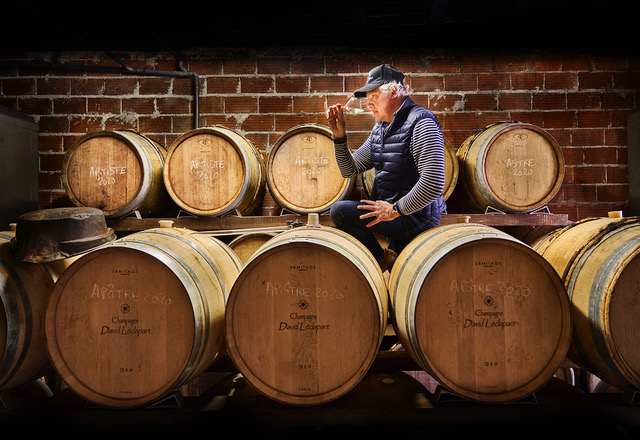
An undisputed advocate of biodynamics in a Premier Cru region, David is a tireless small-scale producer showcasing the power of Chardonnay and Pinot Noir through his various cuvées.
His champagnes speak for themselves, and behind each bottle, we see David championing a revival of Champagne de Vigneron with great respect for the terroir.
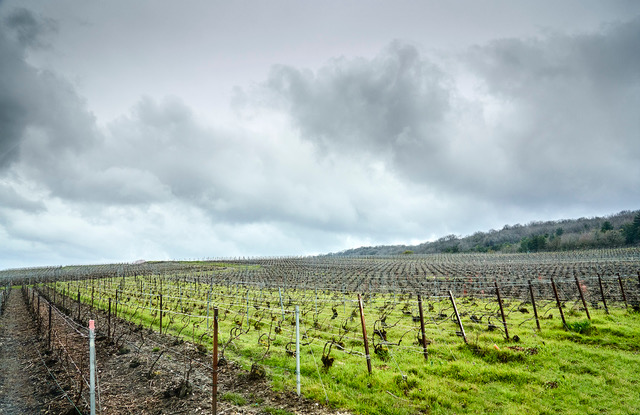
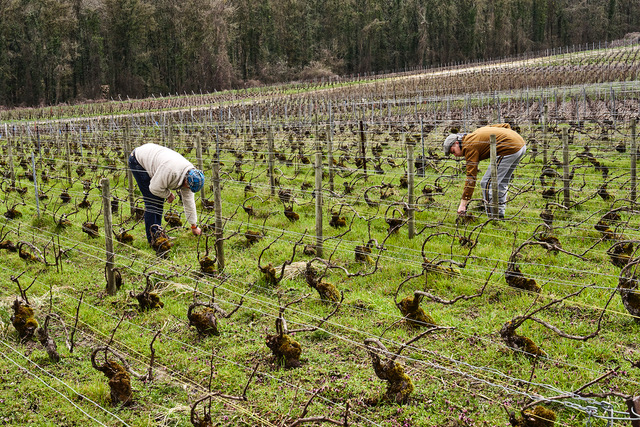
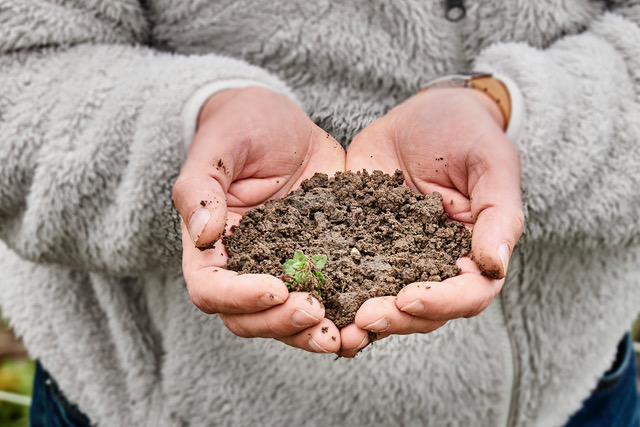
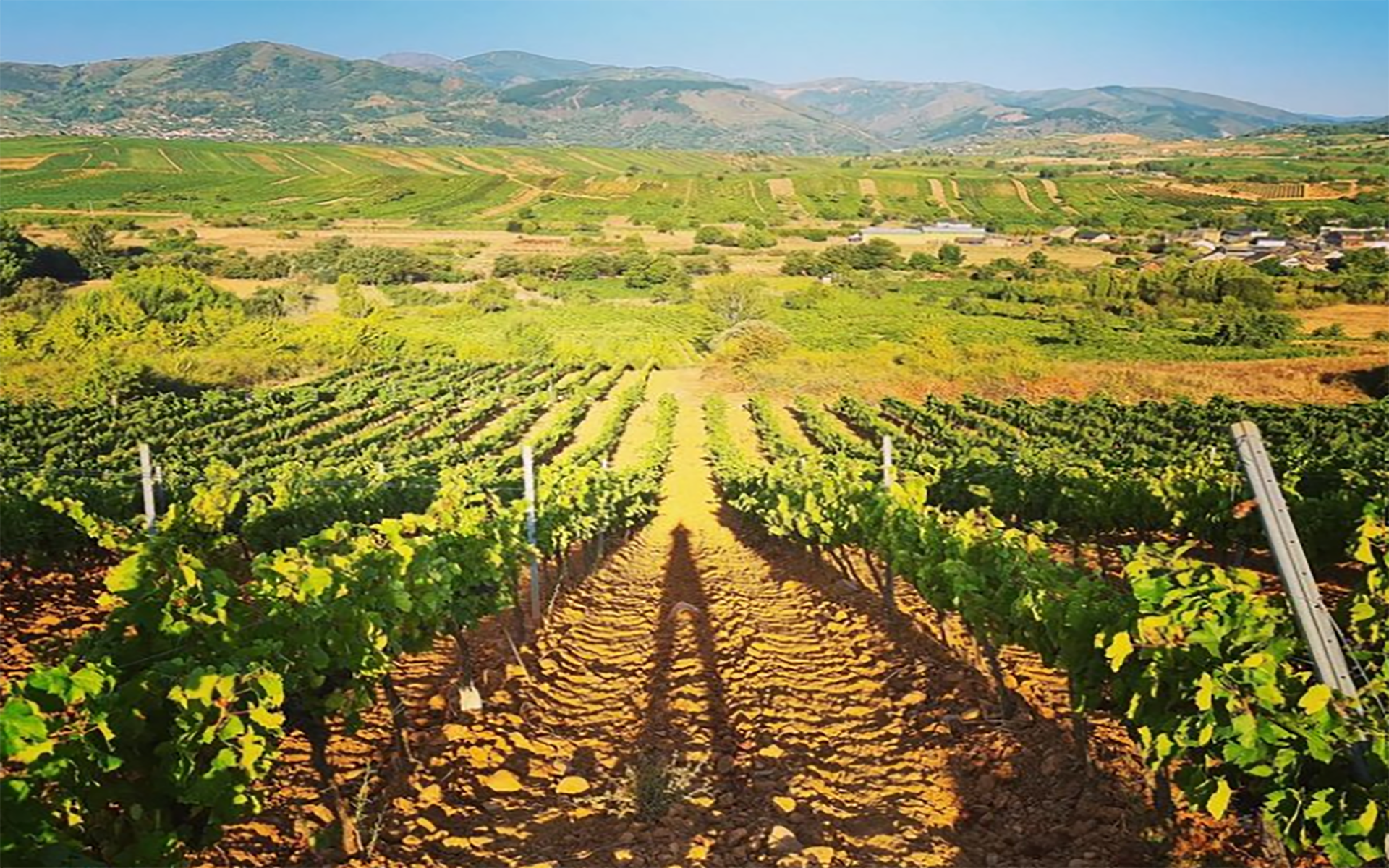
The vineyards are located in the southeast of the Montagne de Reims, in the Premier Cru village of Trépail. His champagnes are made from biodynamically farmed grapes since 1998, and they have been certified organic (AB) and biodynamic (Demeter) since 2001. They are always vintage, with no added dosage, and they undergo malolactic fermentation.
There is no chaptalization during harvest, no enzymes for the “débourbage,” and they are sulfited only with sulfur solution during pressing. Oenological yeasts are not used (except for the prise de mousse), and there is no cold stabilization of the base wine or filtration. No lactic bacteria are used for malolactic fermentation. The champagnes age on lees for 11 to 12 months, then are bottled after one year of aging.
Crozes-Hermitage est une appellation d'origine contrôlée (AOC) française située dans la région viticole du nord de la Vallée du Rhône. La majorité des vins produits ici sont des vins rouges élaborés à partir du cépage Syrah, parfois mélangés avec de petites quantités de cépages blancs comme le Roussanne ou le Marsanne. Certains vins blancs sont également élaborés à partir de Marsanne et/ou Roussanne.
En 1846, un panel d'experts a salué le vin pour sa ressemblance avec les vins d'Hermitage. L'appellation a été officiellement définie en 1937 et élargie en 1952.
Crozes-Hermitage est connu pour la grande quantité de vin coopératif. Cave de Tain, une grande coopérative, utilise la moitié des raisins cultivés. Un autre grand producteur, Jaboulet, prend une grande partie de l'autre moitié et possède également ses propres vignobles. Bien qu'une petite quantité de raisin blanc puisse être incluse dans la production de vins rouges dans cette AOC, de plus en plus de vins varietaux 100% Syrah sont produits.