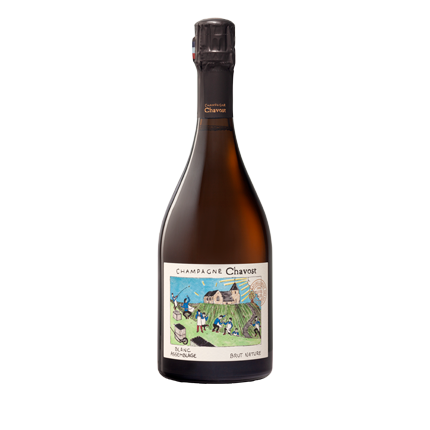
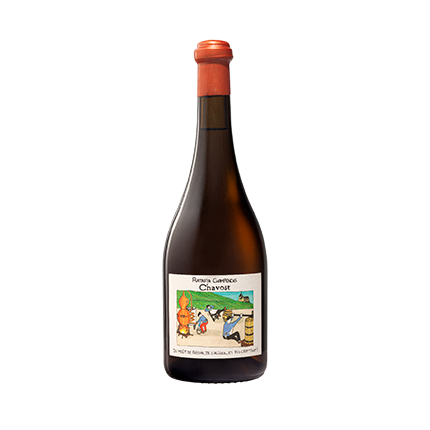
/Región/ Champagne-Ardenas /Varieties/ Chardonnay, Meunier, Pinot Noir /Year of foundation/1946
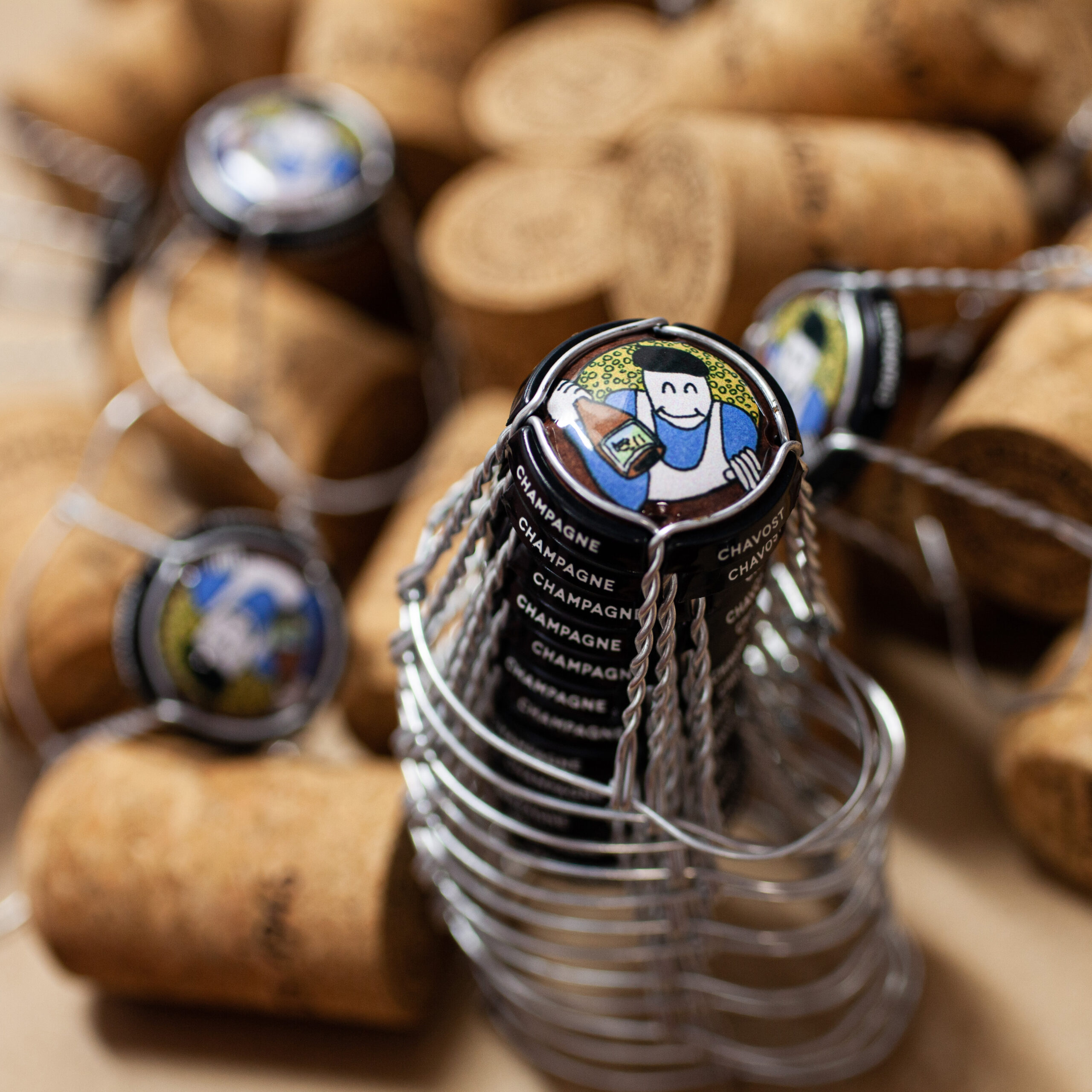
The Domaine Chavost was created in 1946 by their winemaker ancestors from Chavot-Courcourt. Chavost is the ancestral name of the village located between Saint Martin’s Church and the Mont-Félix hill, where a castle once stood.
Their ancestors passed down strong collective values, love for their land, sharing, and solidarity. Today, they have united their efforts to produce high-quality grapes, enabling the creation of unique champagnes.
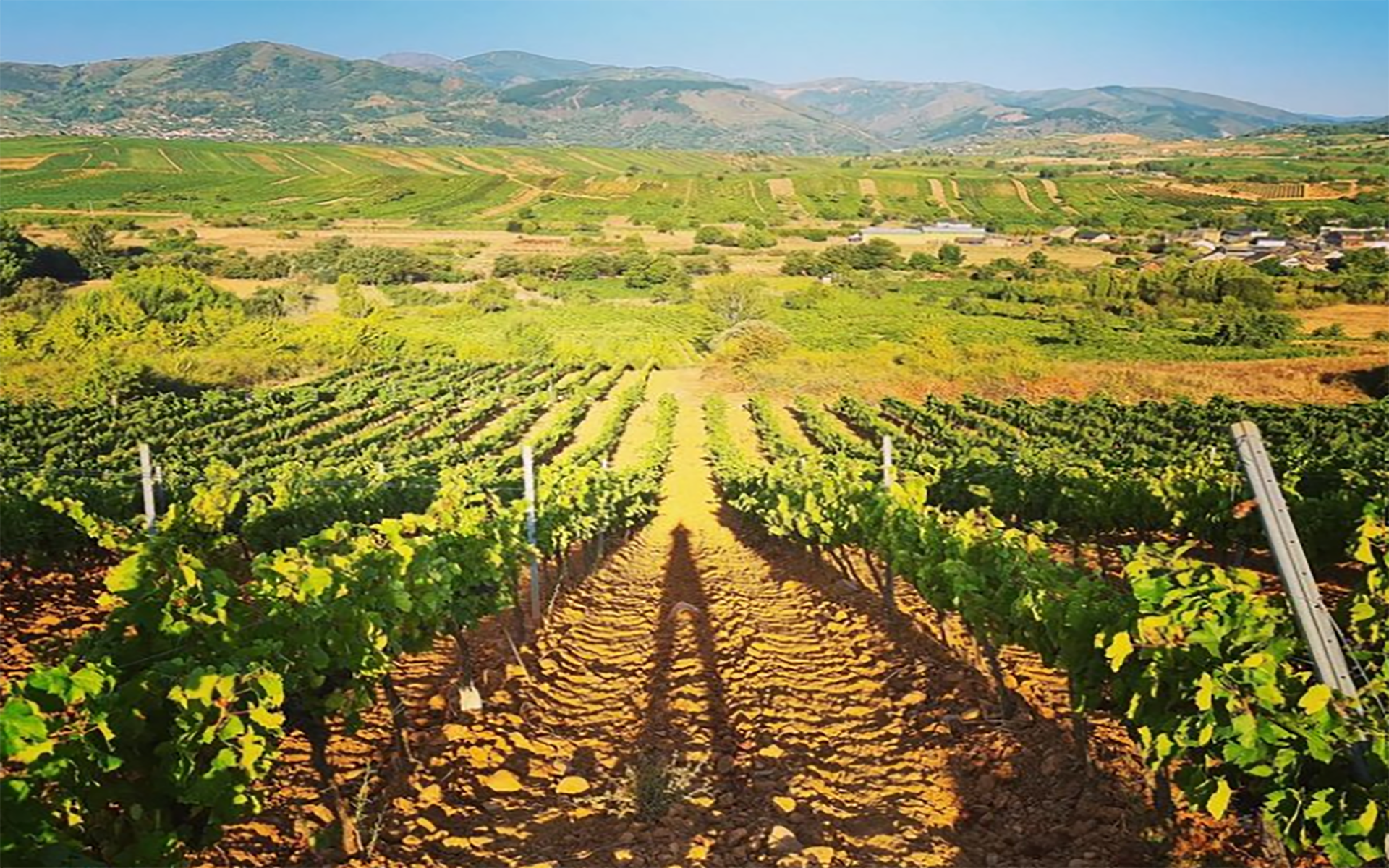
Their vineyard, spanning 5 hectares of vines, has been certified organic since the 2023 harvest (certified under Organic Agriculture standards).
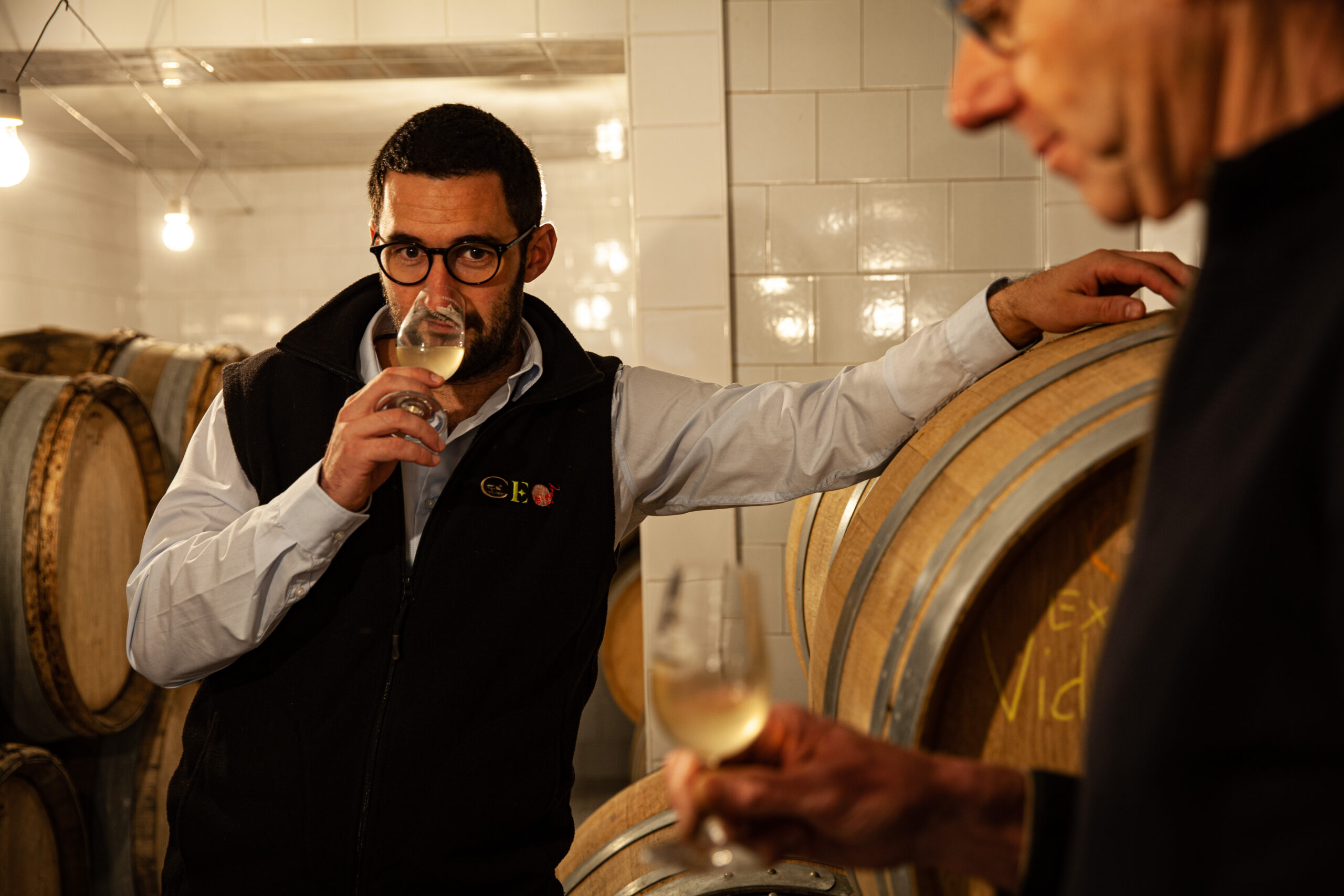
Fabian produces the wines and markets the Chavost champagnes. “After winemaking for 10 years in the four corners of the world, he returned home with new projects to vinify differently and to create champagnes with as few additives as possible, sometimes none at all…”
Their commitment to preserving the environment, the terroir, and the excellence of their wines continues to grow with conviction. Strong in their values and in harmony with their philosophy, they have developed a new range: the “No Added Sulfites!” range, featuring singular, identity-driven, and atypical wines thanks to carefully controlled vinification without added sulfites, which enriches the existing traditional range.
Crozes-Hermitage est une appellation d'origine contrôlée (AOC) française située dans la région viticole du nord de la Vallée du Rhône. La majorité des vins produits ici sont des vins rouges élaborés à partir du cépage Syrah, parfois mélangés avec de petites quantités de cépages blancs comme le Roussanne ou le Marsanne. Certains vins blancs sont également élaborés à partir de Marsanne et/ou Roussanne.
En 1846, un panel d'experts a salué le vin pour sa ressemblance avec les vins d'Hermitage. L'appellation a été officiellement définie en 1937 et élargie en 1952.
Crozes-Hermitage est connu pour la grande quantité de vin coopératif. Cave de Tain, une grande coopérative, utilise la moitié des raisins cultivés. Un autre grand producteur, Jaboulet, prend une grande partie de l'autre moitié et possède également ses propres vignobles. Bien qu'une petite quantité de raisin blanc puisse être incluse dans la production de vins rouges dans cette AOC, de plus en plus de vins varietaux 100% Syrah sont produits.